Choosing a Metal for Everyday Wear
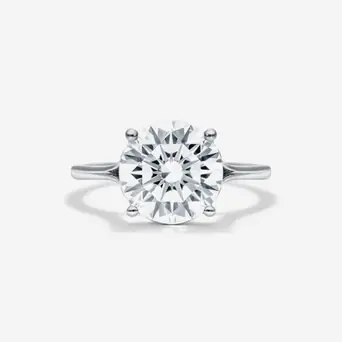
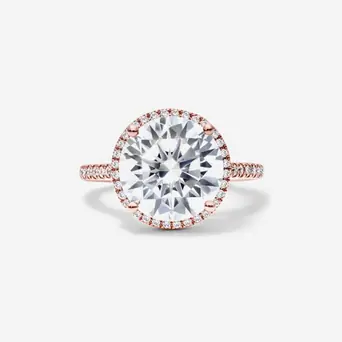
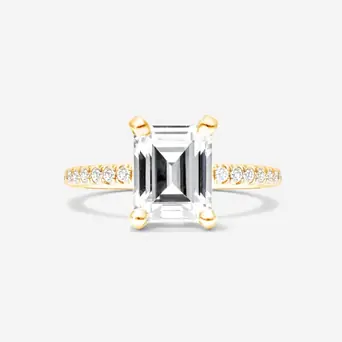
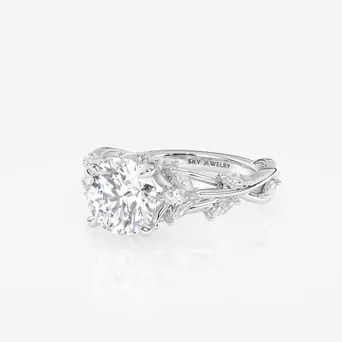
Yellow, white and rose gold, and platinum: how each looks and wears.
Gold
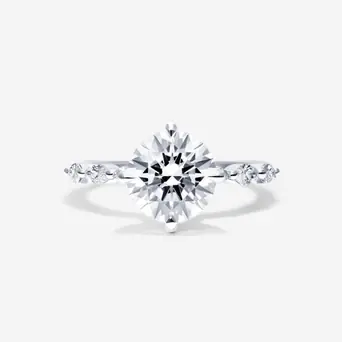
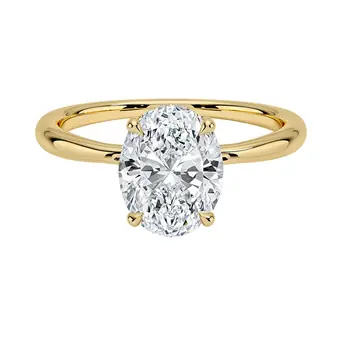
Pure gold is too soft for everyday jewelry, so it is alloyed with other metals. The karat says how much gold the alloy holds, and 18K holds more than 14K. 14K is a little harder and more resistant to scratches, while 18K has a richer color. Yellow gold keeps its color naturally, rose gold takes its warm tone from copper, and white gold is usually plated with rhodium for a bright white finish that can be renewed over time.
Platinum
Platinum is naturally white, dense and durable. Rather than wearing away, it tends to develop a soft satin patina with wear, which can be polished back to a shine. It feels heavier on the hand than gold.
Matching Your Metals
Choose the metal for your engagement ring and wedding band together, and think about the jewelry you already wear every day. Mixing metals is a style choice too: a yellow gold band beside a platinum ring can look deliberate and modern.
Sensitive Skin
Some people react to nickel, which is used in some white gold alloys. If you have sensitive skin, ask for a nickel-free alloy, or ask about platinum, which is often recommended for sensitive skin. The rhodium plating on white gold also keeps the alloy from touching the skin until it wears thin.
Caring for Each Metal
Gold of every color can be polished by a jeweler to remove fine scratches. White gold may need replating with rhodium from time to time to keep its bright white finish. Platinum’s patina can be polished away or kept, as you prefer.

Next Resource
Wedding Band Guide
Widths, profiles and finishes, and how to choose a band that sits well beside your engagement ring.
Read Now