Engagement Ring Settings
How each setting frames the center stone, and how it wears day to day.
How Stones Are Held
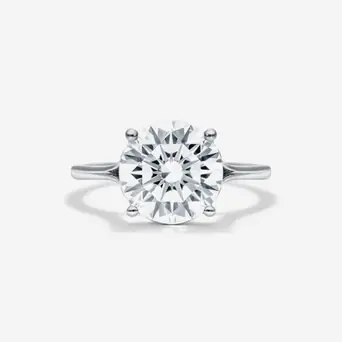
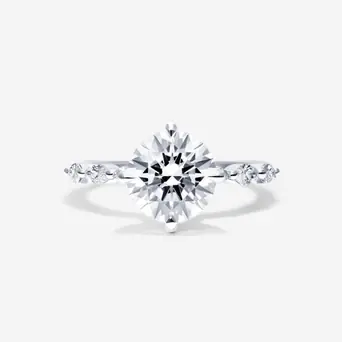
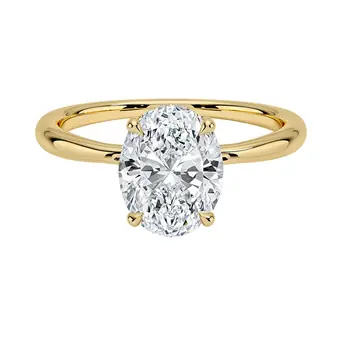
Prongs are small metal claws that grip the stone, letting in the most light; four prongs show more of the diamond, six hold it more securely. A bezel surrounds the stone with a thin rim of metal, which protects its edge and suits an active life.
Setting Styles
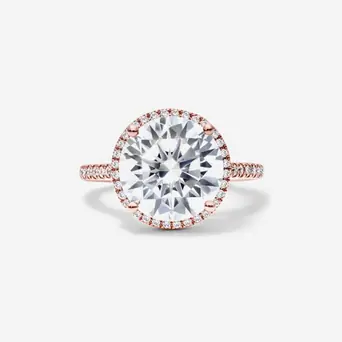
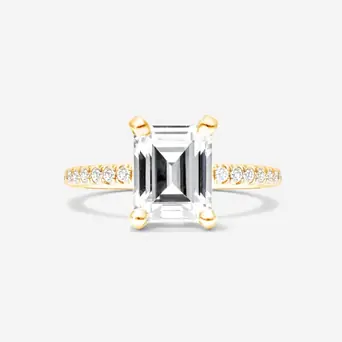
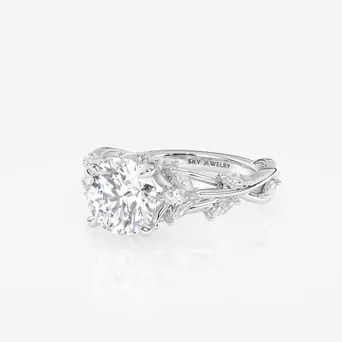
A solitaire sets one stone on a plain band and puts all the attention on it. A halo circles the center stone with smaller diamonds, adding sparkle and making it look larger. Pavé lines the band with small diamonds. Side-stone and three-stone settings flank the center stone with accent stones.
Living With Your Setting
High settings show off the stone but can catch on clothing; lower settings and bezels sit closer to the hand. Pavé and halo settings have many small stones, so have them checked by a jeweler from time to time. Think about how you use your hands before you decide.
Planning for a Wedding Band
If you plan to wear a wedding band beside your engagement ring, check how the two will sit together. A low setting or a halo that overhangs the shank may need a curved or notched band to sit flush. Try the two rings together before you choose.
Prong Styles
Prongs can be rounded, pointed like claws, or flat. Rounded prongs are smooth and comfortable; claw prongs are tapered and look delicate; V-shaped prongs protect the points of pear, marquise and princess shapes; double prongs add security and a slightly different look.

Next Resource
Choosing a Metal for Everyday Wear
Yellow, white and rose gold, and platinum: how each looks, wears and is cared for over the years.
Read Now