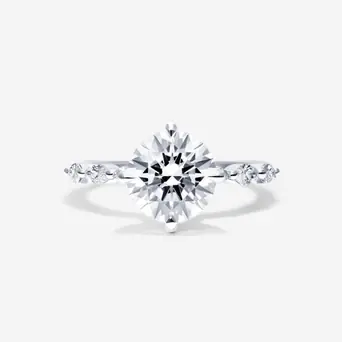
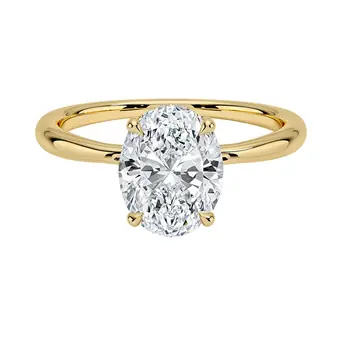
Lab-Grown and Natural Diamonds Compared
Both are real diamonds: how they differ in origin, and how they are graded.
What They Share
Lab-grown diamonds are diamonds. They have the same chemical composition, crystal structure, hardness and optical properties as diamonds formed in the earth, and they look the same to the eye. Telling them apart takes specialized laboratory instruments.
How They Differ
The difference is origin. Natural diamonds formed deep in the earth over a very long time; lab-grown diamonds are grown in a laboratory by high pressure, high temperature (HPHT) or chemical vapor deposition (CVD) processes that recreate those conditions. Grading reports for both state the origin, and some laboratories describe a lab-grown diamond’s quality on a different scale from a natural one’s, so check which scale a report uses.
Choosing Between Them
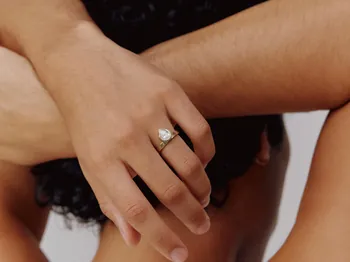
Decide what matters most to you: a stone that formed naturally, or the size and quality you want. Compare both at a similar size and quality, and choose the one you love.
How Origin Is Confirmed
You can’t tell a lab-grown diamond from a natural one by looking. Grading laboratories identify the origin with specialized instruments and state it on the report, and many diamonds carry a small laser inscription on the girdle with the report number. Ask for the report, check that its number matches the inscription, and keep it with your other records.
Caring for Both
Lab-grown and natural diamonds are equally hard and are cleaned and cared for the same way: warm water, a drop of mild soap and a soft brush, with a jeweler’s check of the setting from time to time.

Next Resource
Finding the Right Ring Size at Home
Simple ways to measure a ring size at home, and the details that make a ring fit comfortably all day.
Read Now