Diamond Color, From D to Z
How the color scale works, and how your metal changes what you see.
The Color Scale
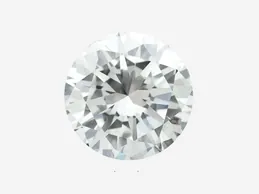
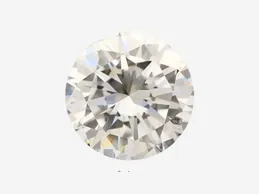
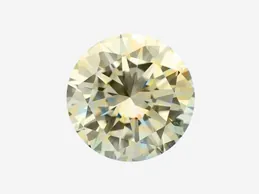
White diamonds are graded on a scale that runs from D, which is colorless, to Z, which has a light yellow or brown tint. Graders compare each diamond face down against master stones under controlled lighting, because color is easiest to judge from the side.
Color in a Setting
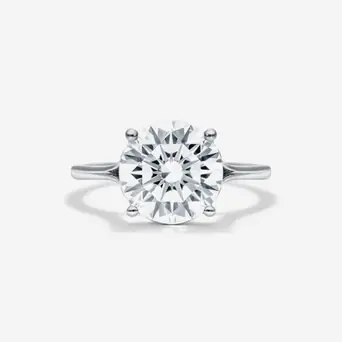
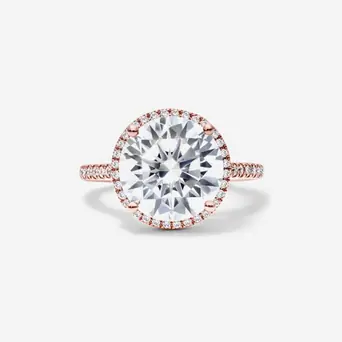
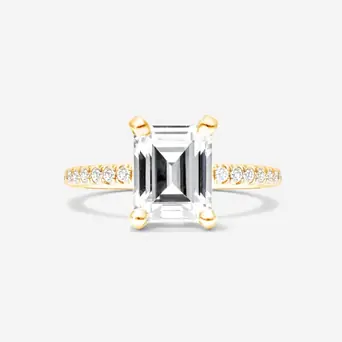
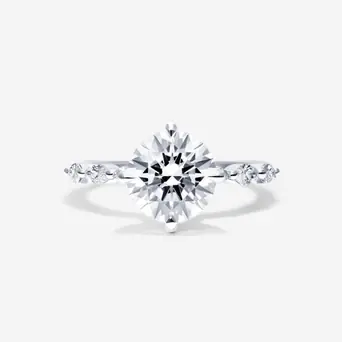
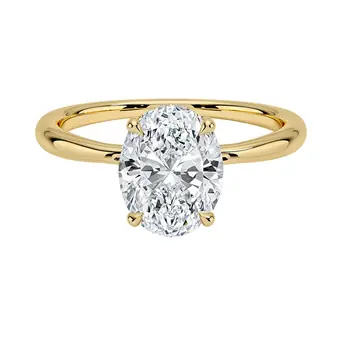
Once a diamond is face up and set, small color differences are much harder to see. White gold and platinum show a diamond’s own color most honestly, so colorless and high near-colorless grades suit them. Yellow and rose gold reflect warm tones into the stone, so a slight warmth in the diamond is less noticeable in them.
A Note on Fluorescence
Some diamonds glow, usually blue, under ultraviolet light. Fluorescence is usually listed on grading reports. In most diamonds it has no visible effect in daylight; in a few, strong fluorescence can make the stone look slightly hazy, so it is worth seeing a strongly fluorescent diamond before you choose it.
Choosing a Color Grade
Decide on the metal first, then the grade. In white gold or platinum, a G or H diamond usually looks white face up. In yellow or rose gold, an I or J diamond often looks white against the metal. Larger diamonds and step cuts such as emerald and Asscher show color more readily than small or brilliant-cut stones, so a grade higher can be worth it for them. Above all, compare diamonds side by side in the setting you have in mind, rather than relying on the letter alone.

Next Resource
Diamond Clarity, Explained
Inclusions, blemishes and the clarity scale, and what “eye-clean” means.
Read Now