Lab-Grown or Natural: What Sets Them Apart
1 Min Read

The Same Diamond, Two Origins
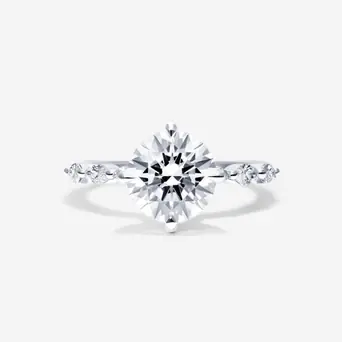
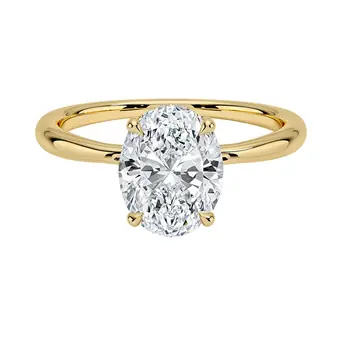
Lab-grown and natural diamonds share the same chemical composition, crystal structure, hardness and sparkle. To the eye they are the same; telling them apart takes specialized laboratory equipment.
How They Form
Natural diamonds formed deep in the earth over a very long time. Lab-grown diamonds are created in a laboratory, by high pressure and high temperature or by chemical vapor deposition, processes that recreate the conditions in which diamonds form.
Grading and Price
Grading reports for both state the origin, and some laboratories describe a lab-grown diamond’s quality on a different scale, so check which scale a report uses. Prices differ too, so compare a lab-grown and a natural diamond of similar size and quality to see what each offers within your budget.
Our Thoughts
There is no wrong choice. Decide whether natural origin or size and grade matters more to you, and choose the diamond you love.