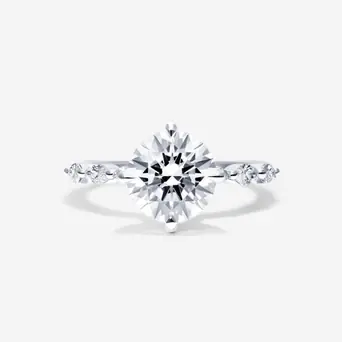
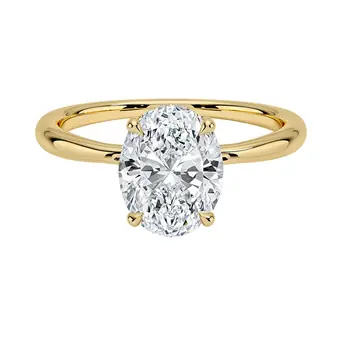
How Cut Shapes a Diamond’s Sparkle
Proportions, symmetry and polish, and why cut matters more to sparkle than any other grade.
Why Cut Matters Most
A diamond’s cut controls how light travels through it. When the angles are right, light bounces from facet to facet and returns through the top as brightness, fire and sparkle. When they are off, light leaks out of the sides or bottom and the stone looks dull, whatever its color or clarity.
Reading the Cut Grade
GIA grades the cut of round brilliant diamonds from Excellent through Very Good, Good and Fair to Poor. The grade weighs the diamond’s proportions, such as table size, crown angle and pavilion depth, together with its symmetry and polish. Fancy shapes such as ovals and pears don’t receive a GIA cut grade, so judge them by eye and by their symmetry and polish grades.

Cut Is Not Shape
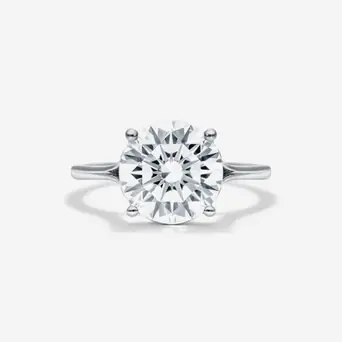
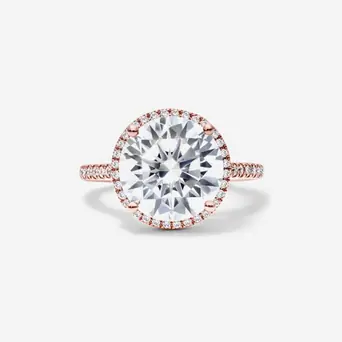
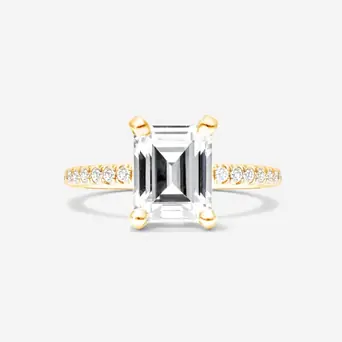
Shape describes a diamond’s outline: round, oval, emerald and so on. Cut describes how well that shape has been faceted. Every shape can be cut well or poorly, so choose the shape you love first, then look for the best cut within it.
A Simple Check
Look at the diamond face up under ordinary light. A well-cut stone looks evenly bright, with crisp contrast between light and dark areas. Large dark patches in the center, or a window you can see through, suggest light is escaping.
Symmetry and Polish
Symmetry describes how precisely the facets are shaped, aligned and meet, and polish how smooth their surfaces are. Both are graded on the report, from Excellent to Poor. Small differences rarely show to the eye, but poor symmetry can send light out at the wrong angles and dull a stone’s sparkle. For a round diamond, the cut grade already takes symmetry and polish into account. For fancy shapes, which have no cut grade, Excellent or Very Good symmetry and polish are a good sign.

Next Resource
Diamond Color, From D to Z
How the color scale works, where differences become visible, and how your metal changes what you see.
Read Now